
As Rwanda grapples with the effects of climate change; from destructive rains to soil erosion, RCCDN Coordinator, Faustin Vuningoma stresses the urgent need for education, awareness, and resilience-building in local communities.
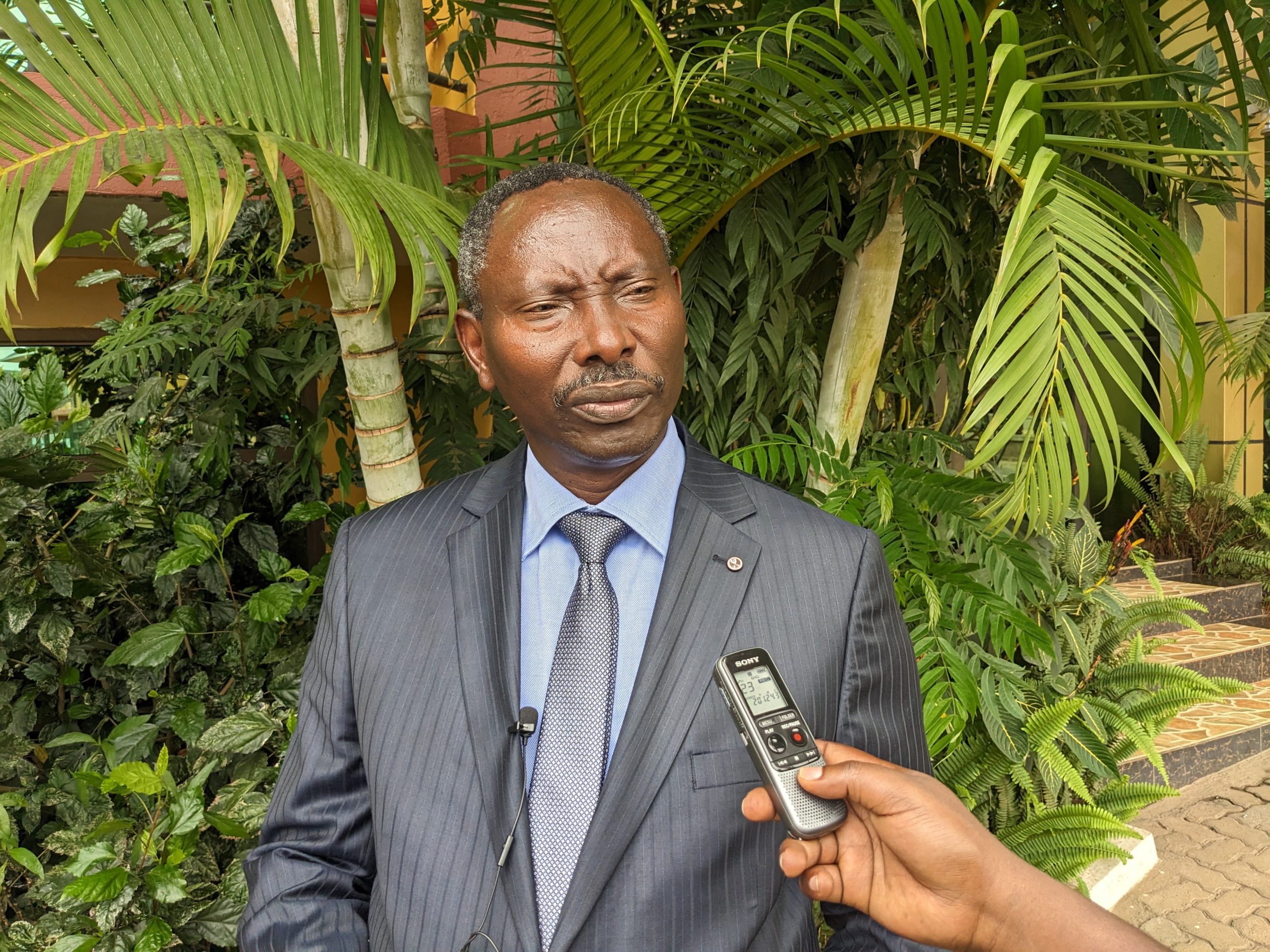
Rwanda is increasingly grappling with the devastating impacts of climate change, and the Rwanda Climate Change and Development Network (RCCDN) is stepping up to lead local responses. In an exclusive interview with the RCCDN Coordinator, Faustin Vuningoma shared some insights into the current climate-related challenges facing the country and outlined the organization’s strategic direction for building a more resilient Rwanda.
He pointed out that Rwanda’s unique geography, marked by high altitudes and steep hills, makes it particularly vulnerable to climate-related hazards. “One of the biggest challenges we face is the impact of heavy rainfall over short periods,” he explained. “When rain falls with high intensity, the water runs over the mother rocks, displacing soil and creating what we call ‘landscapes.’ This process has led to serious issues, including homes being washed away,” said Vuningoma.
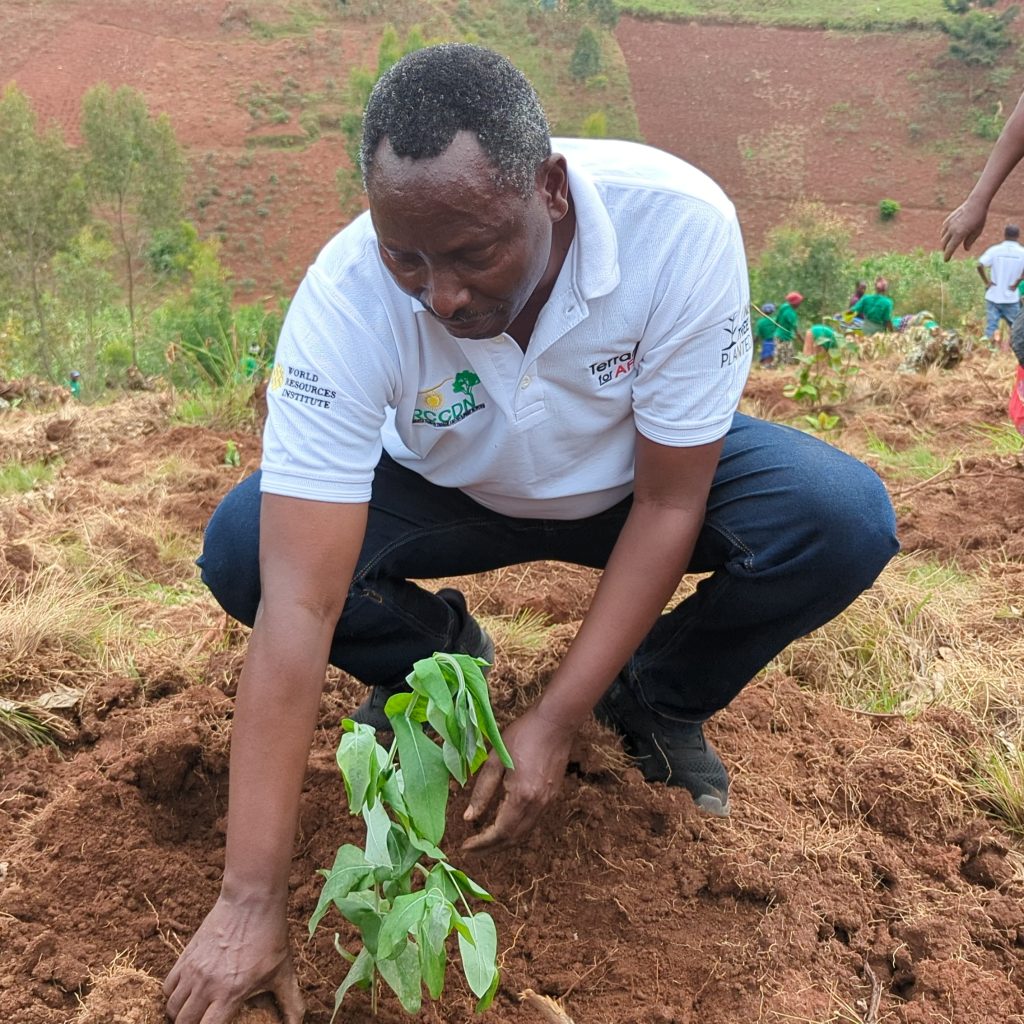
The steep terrain combined with increased rainfall intensity has contributed to frequent landslides and flooding, displacing communities and threatening both livelihoods and infrastructure.
When asked how RCCDN engages with local communities, Vuningoma emphasised that more education and awareness raising are at the core of their strategy; “Initially, local communities didn’t understand that they were facing climate change. They only experienced the hazards; floods, droughts, and landslides without understanding the causes,” he said.
To watch the whole video with the RCCDN Coordinator, Faustin Vuningoma shading more light on Climate Change, click HERE.
Beyond raising awareness, RCCDN is actively building community’s capacity to withstand climate-related hazards. “The second thing we do is build their capacity for resilience,” he noted. “This ensures they can resist the circumstances that can be harsh.”
RCCDN currently works with 78 local NGOs to ensure local communities build the capacity for resilience. From promoting sustainable land management to supporting disaster preparedness initiatives, RCCDN’s approach is holistic and community-centred.
Looking ahead, RCCDN has identified key priorities to guide its work in the coming years. “Our top priority is building resilience within our communities,” said Mr. Vuningoma. He added, “This means supporting adaptation efforts to climate challenges and working to mitigate greenhouse gas emissions, which are a global concern.”
With a focus on localized solutions that integrate both adaptation and mitigation, RCCDN aims to contribute not only to national climate goals but also to the broader global effort to combat climate change.
As Rwanda continues to experience the effects of a changing climate, organizations like RCCDN play a critical role in empowering communities, driving awareness, and implementing sustainable solutions. Through education, capacity building, and strategic planning, RCCDN is working to ensure that Rwandans are not only aware of the climate crisis but are also equipped to confront it head-on.
Written by: Patricie Umutesi & Joyeuse Izere