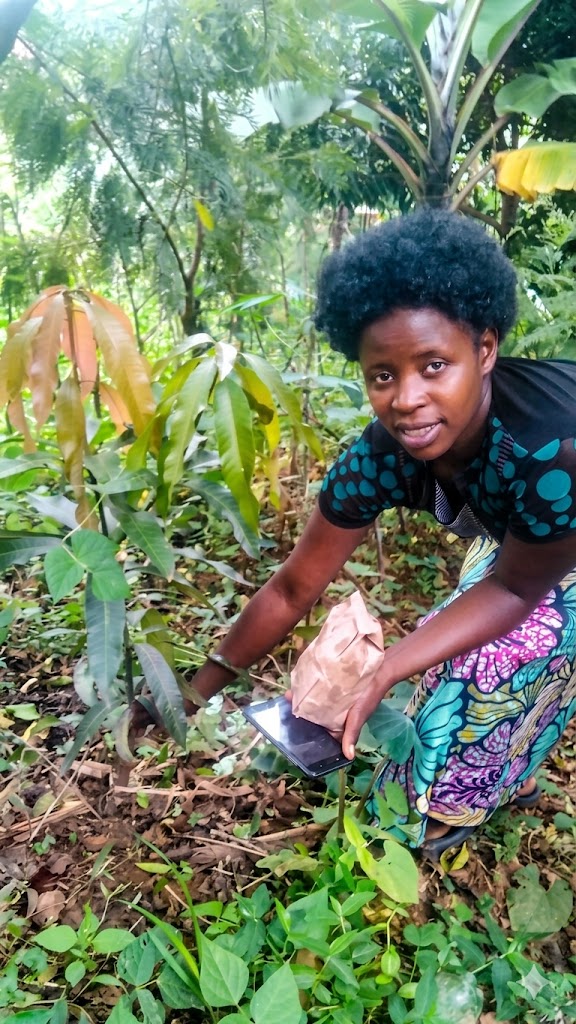

The RCCDN TerraFund for AFR100 Restoration Project in Karongi District is not only restoring degraded landscapes, it is also creating meaningful and lasting change in the lives of community members.
One vivid example is Mukaniyompungiro Charlotte, a resident of Mubuga Sector in Karongi District and one of the 50 community members employed under the project for the past two years. Through this opportunity, Mukaniyompungiro Charlotte has experienced a remarkable journey of economic transformation, moving from poverty level 2 to poverty level 4 in accordance with Rwanda’s poverty graduation process. Her progress is an indication of how such projects contribute to the broader goal of Rwanda’s commitment to economic empowerment through sustainable development initiatives.
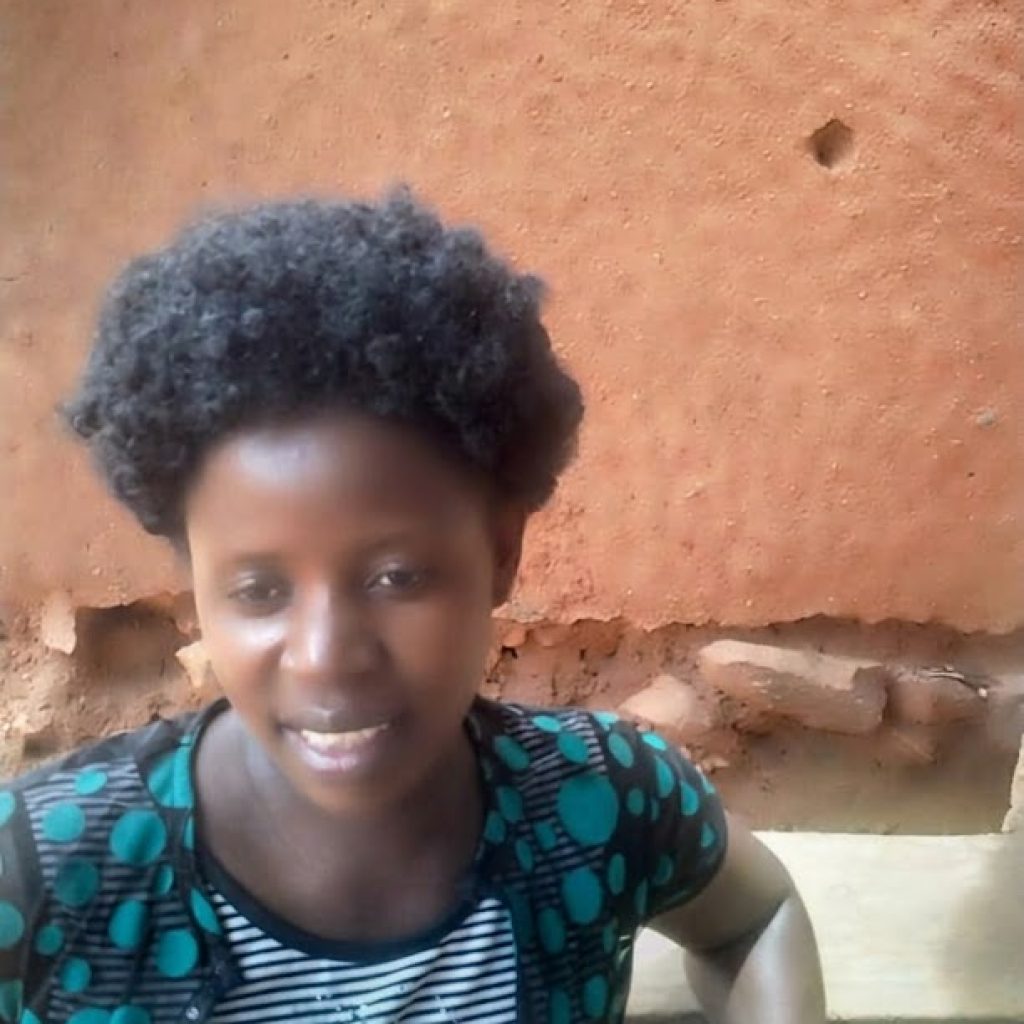
Charlotte’s journey began with small but strategic investments. Using her monthly earnings from the project, she purchased goats and pigs.
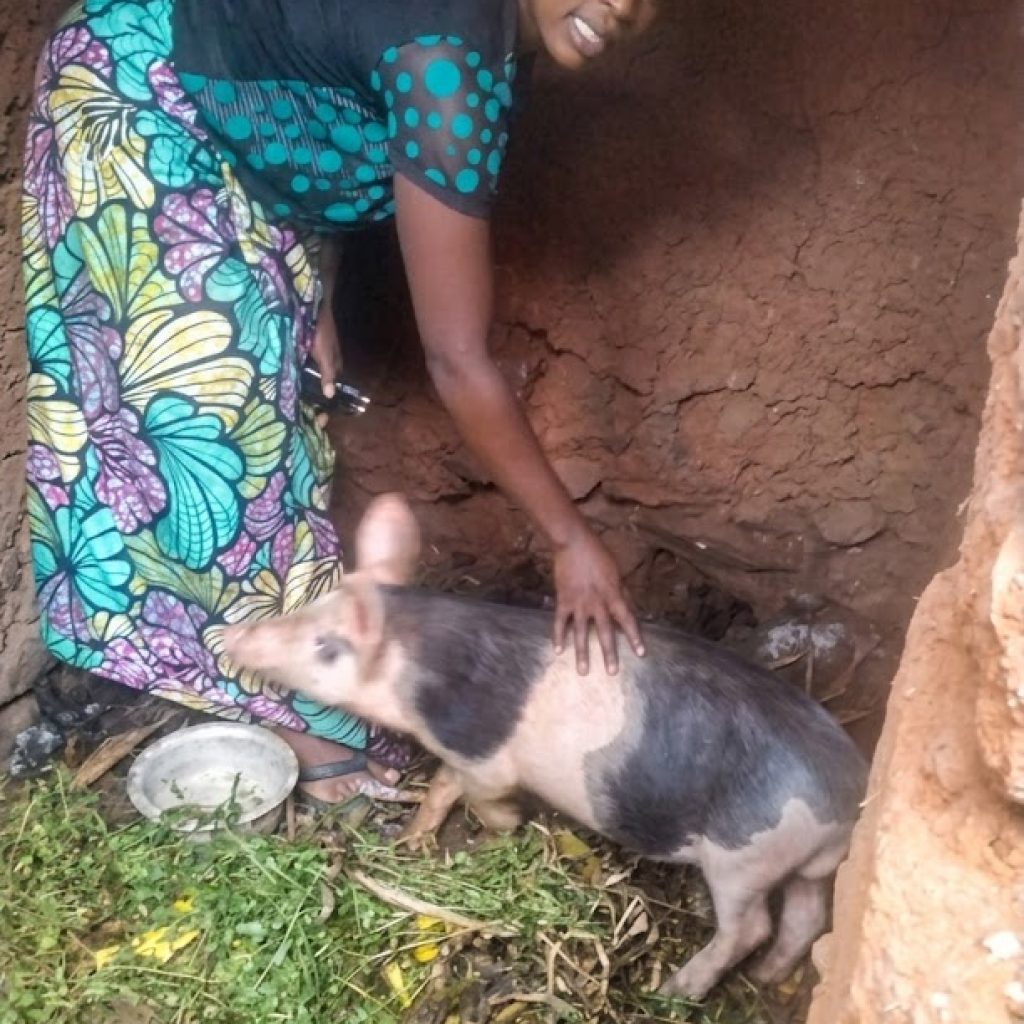
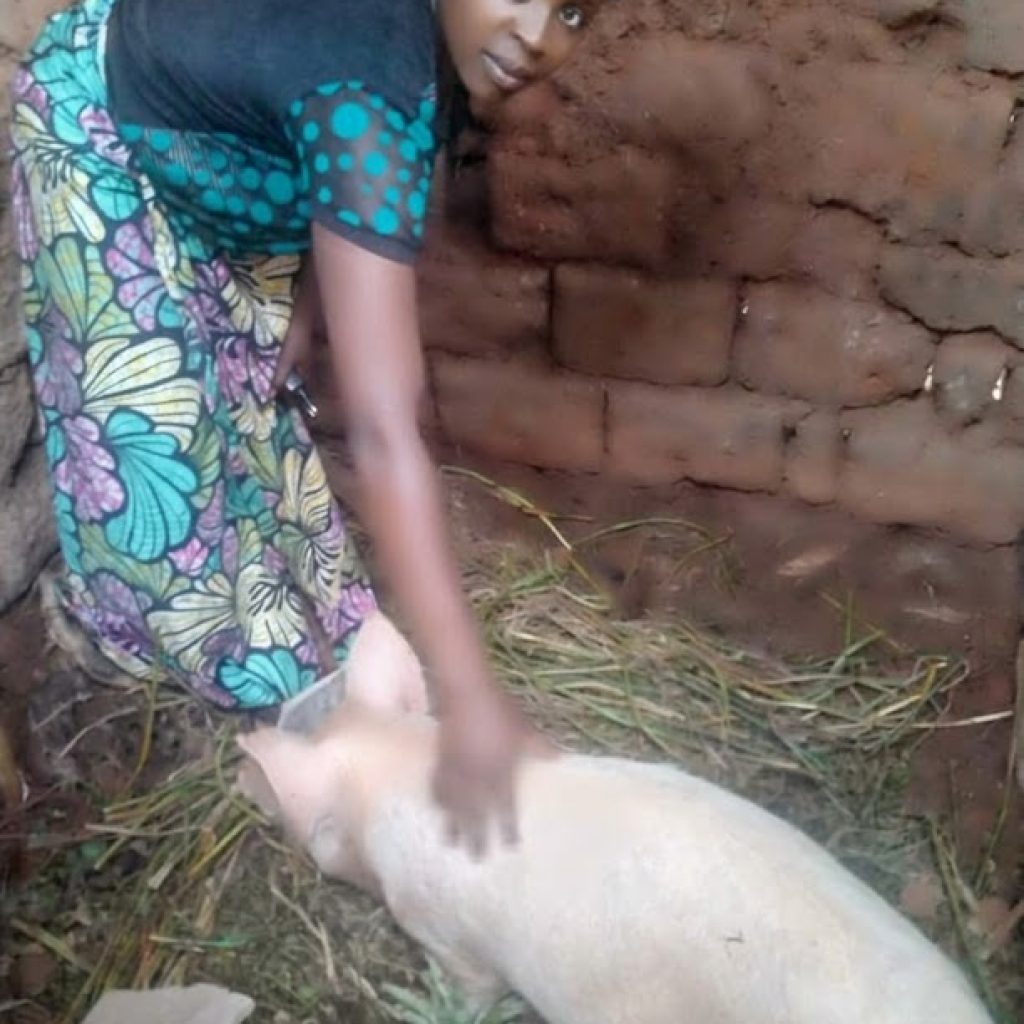
Over time, her efforts paid off, from her continued monthly earnings and gradual sales of piglets, today, she proudly owns a cow while continuing to raise pigs, strengthening her household’s financial security.
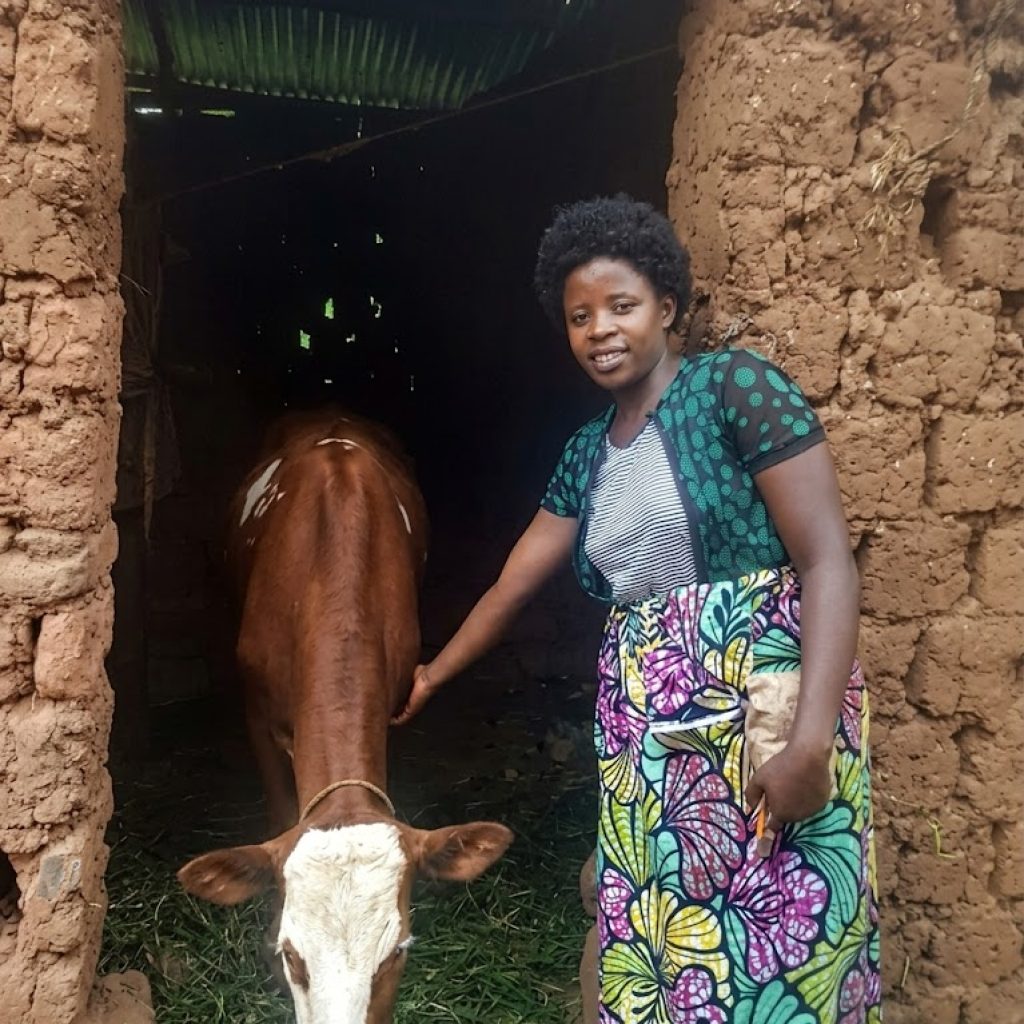
By owning pigs and a cow, Charlotte benefits from a steady supply of manure that she uses as organic fertilizer on her farm. This manure improves soil fertility, enhances crop yields, and reduces the need to purchase expensive chemical fertilizers, allowing her to lower production costs while maintaining sustainable agricultural practices.
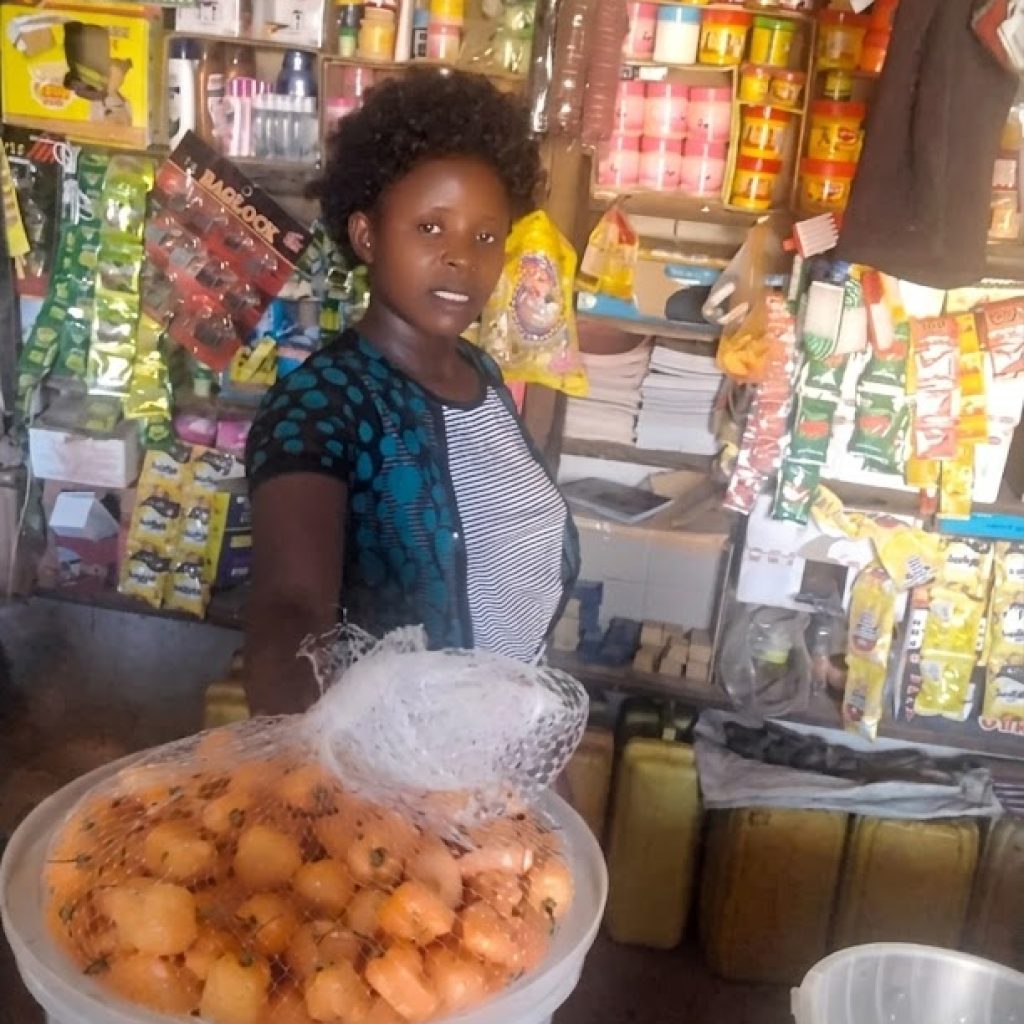
In addition, Charlotte actively participated in a Village Savings and Loan Association (VSLA). Through annual dividends earned from this group, she successfully established a small retail shop that sells essential household items, creating an additional and reliable source of income.
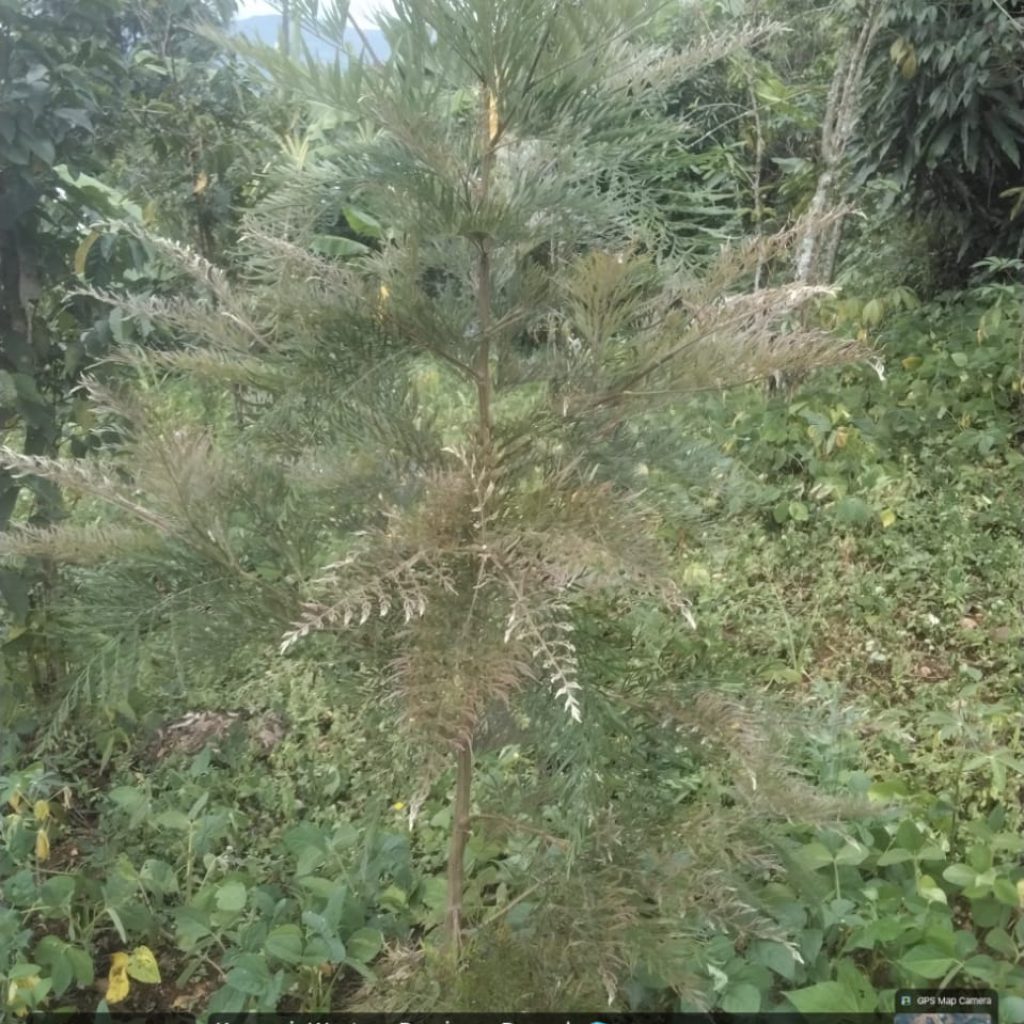
Beyond economic gains, Charlotte has also contributed directly to environmental restoration. On her family’s land, she has planted 60 Grevillea robusta trees, 5 Persea americana trees, and 5 citrus sinensis trees. These efforts not only improve her land’s productivity but also support carbon sequestration and ecosystem restoration.
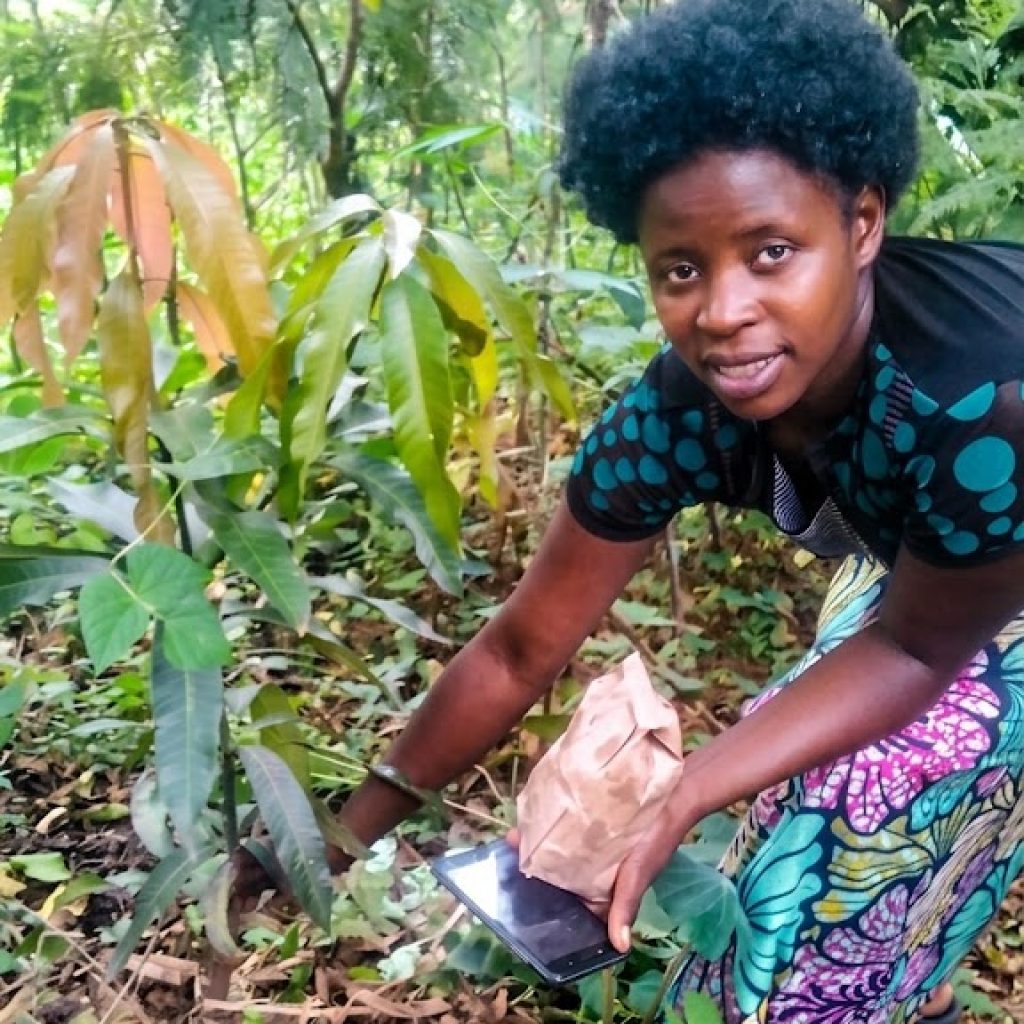
Her involvement in the project has also built her capacity and confidence. Over the past two years, Charlotte has gained hands-on experience in tree nursery establishment, management, tree planting, and maintenance. Today, she uses this knowledge to raise awareness and sensitize other community members about the importance of environmental conservation and sustainable practices.
Charlotte’s story is a clear testimony to demonstrate how restoration projects can go beyond environmental benefits to drive social and economic transformation. Through initiatives like the RCCDN TerraFund for AFR100 Restoration Project, communities are not only restoring their landscapes but also building resilient livelihoods for a brighter future.
Written and Prepared By Charles Rutagyengwa
Edited and Published by Jeannette Kawera