
The Rwanda Climate Change and Development Network (RCCDN) continues to strengthen its institutional capacity to effectively coordinate climate action, manage programs, and communicate impact. With the support of its partner CECI (Centre d’Étude et de Coopération Internationale), RCCDN organized an internal capacity strengthening program for its Secretariat staff focusing on Program Cycle Management (PCM), Monitoring and Evaluation (M&E), and Strategic Communication.
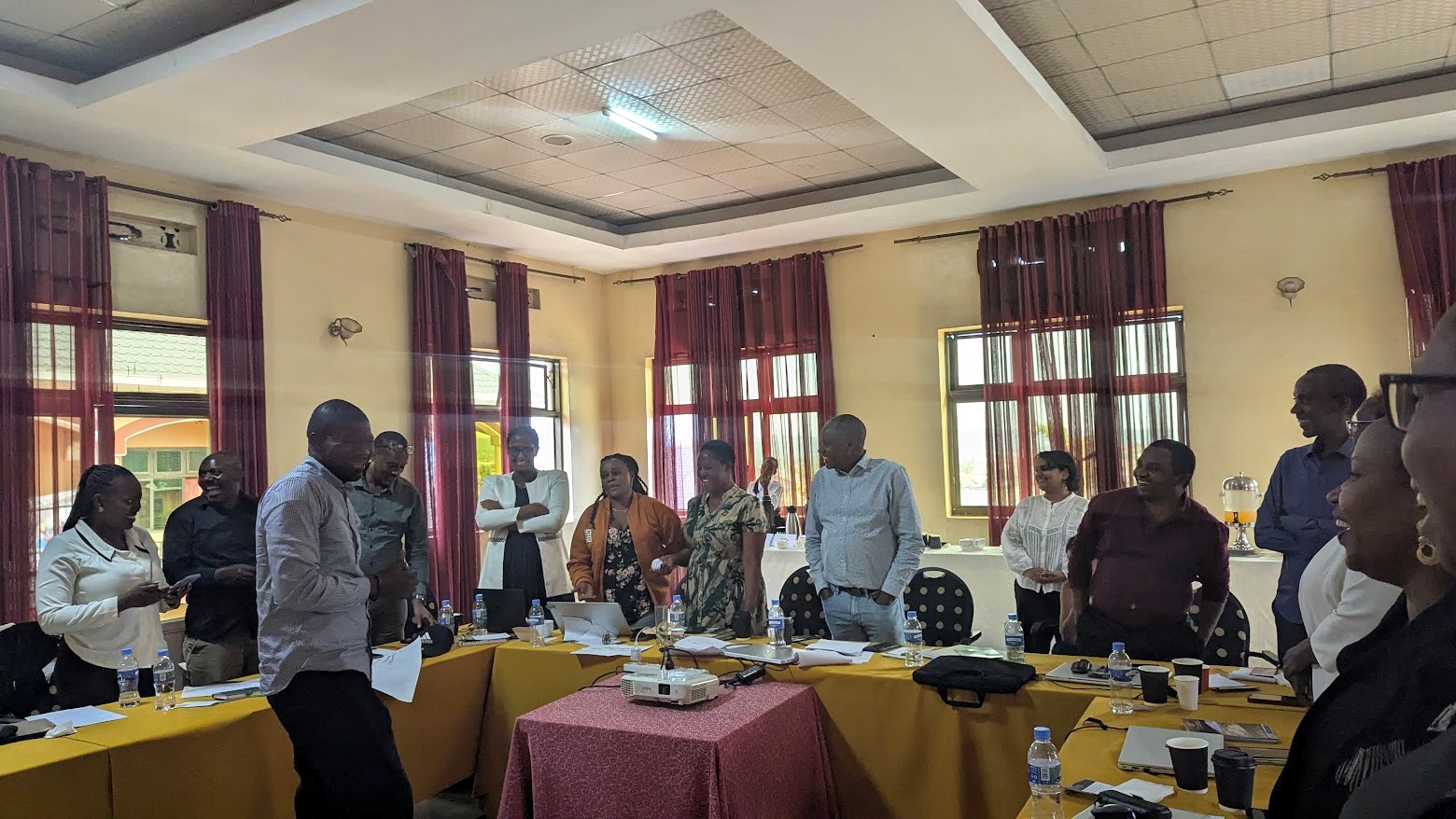
This initiative forms part of the ongoing collaboration between RCCDN and CECI to strengthen organizational systems, improve program delivery, and enhance the visibility of climate action initiatives implemented across Rwanda. Through this partnership, CECI provided financial, and technical support and expert facilitators to guide the training and share international experience and practical tools with the RCCDN team.
Building Skills for Stronger Program Delivery
The one-day workshop brought together 17 RCCDN Secretariat staff members and three trainers, for a total of 20 participants (11 women and 9 men). The training took place on 10 December 2025 at Hilltop Hotel and combined presentations, practical exercises, and discussions designed to strengthen the Secretariat’s operational capacity.
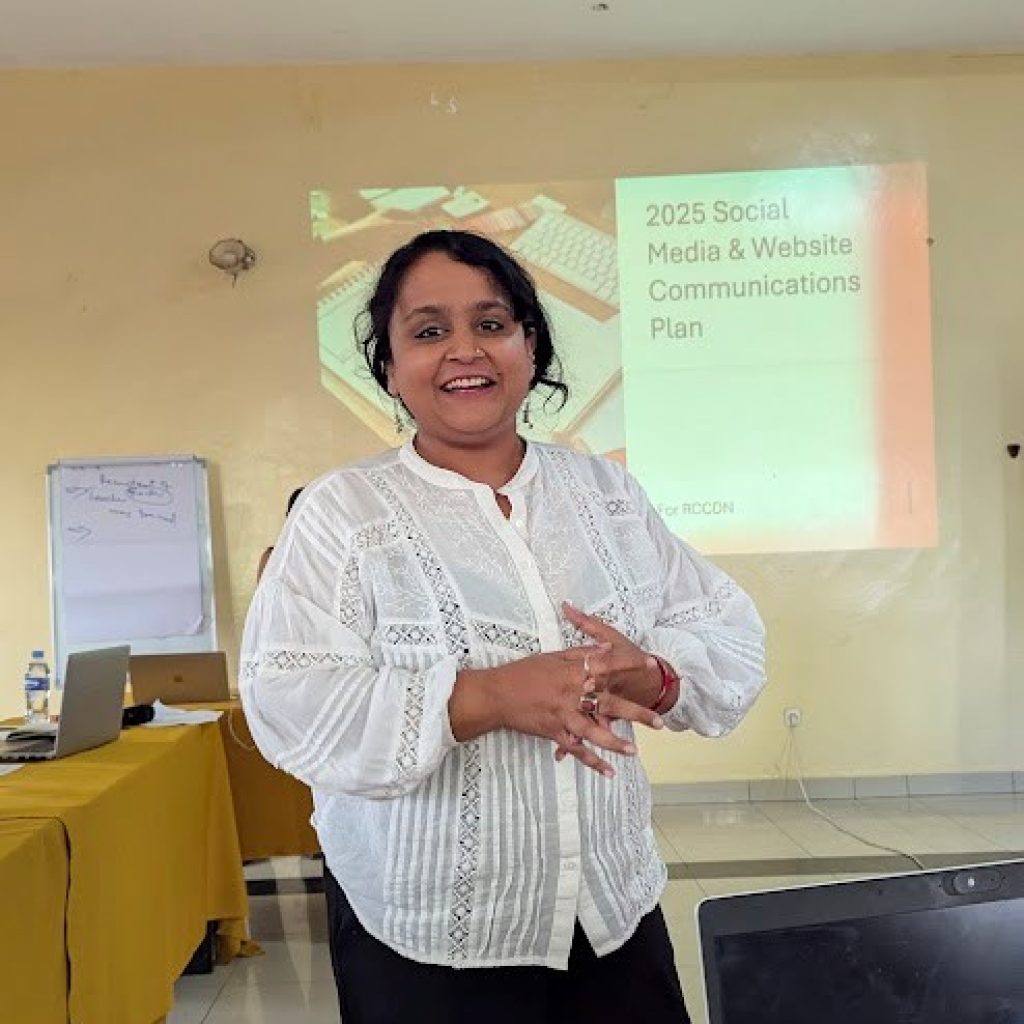
The workshop was facilitated by experts provided by CECI; Lukman Jinadu, Nandini Upadhyay, and Sofia Isabel Gonzalez who guided participants through key elements of project management, monitoring systems, and effective communication strategies.
The program opened with remarks from the RCCDN Coordinator, who emphasized the importance of strengthening internal systems and ensuring that staff have the tools needed to deliver high-quality programs and effectively engage partners and communities.
Focus Areas of the Training
The training addressed three key institutional pillars aimed at strengthening RCCDN’s internal operations and program effectiveness.
Program Cycle Management (PCM)
Participants reviewed the full project management cycle, including needs assessment, program design and planning, resource mobilization, implementation, monitoring and reporting, evaluation, learning and adaptation, and sustainability planning. The session emphasized how structured planning and coordination contribute to better program outcomes and stronger institutional performance.
Monitoring and Evaluation (M&E)
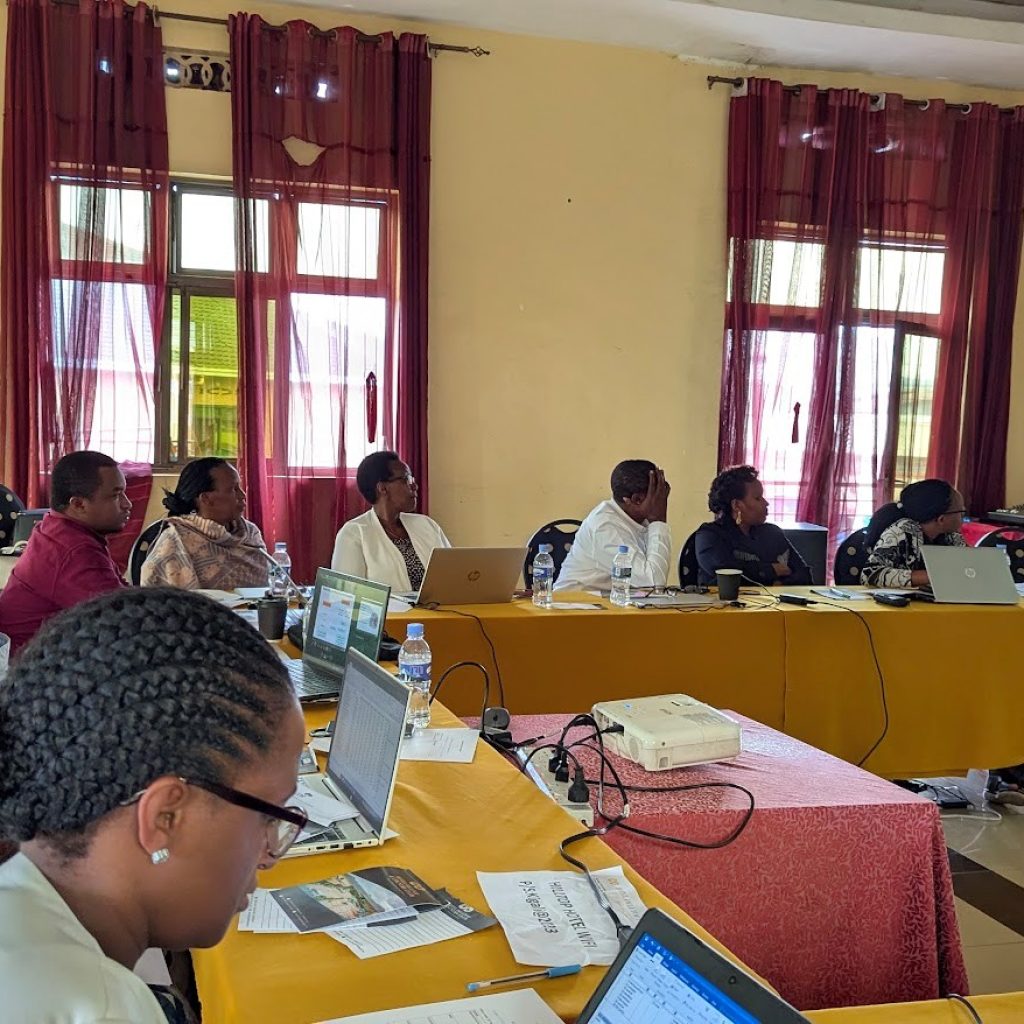
The M&E session focused on building a shared understanding of key terminology and practical tools used to track program progress and measure results. Staff explored the development and use of logical frameworks, M&E matrices, and the integration of monitoring systems within the program cycle. Special attention was also given to gender-responsive monitoring and evaluation approaches.
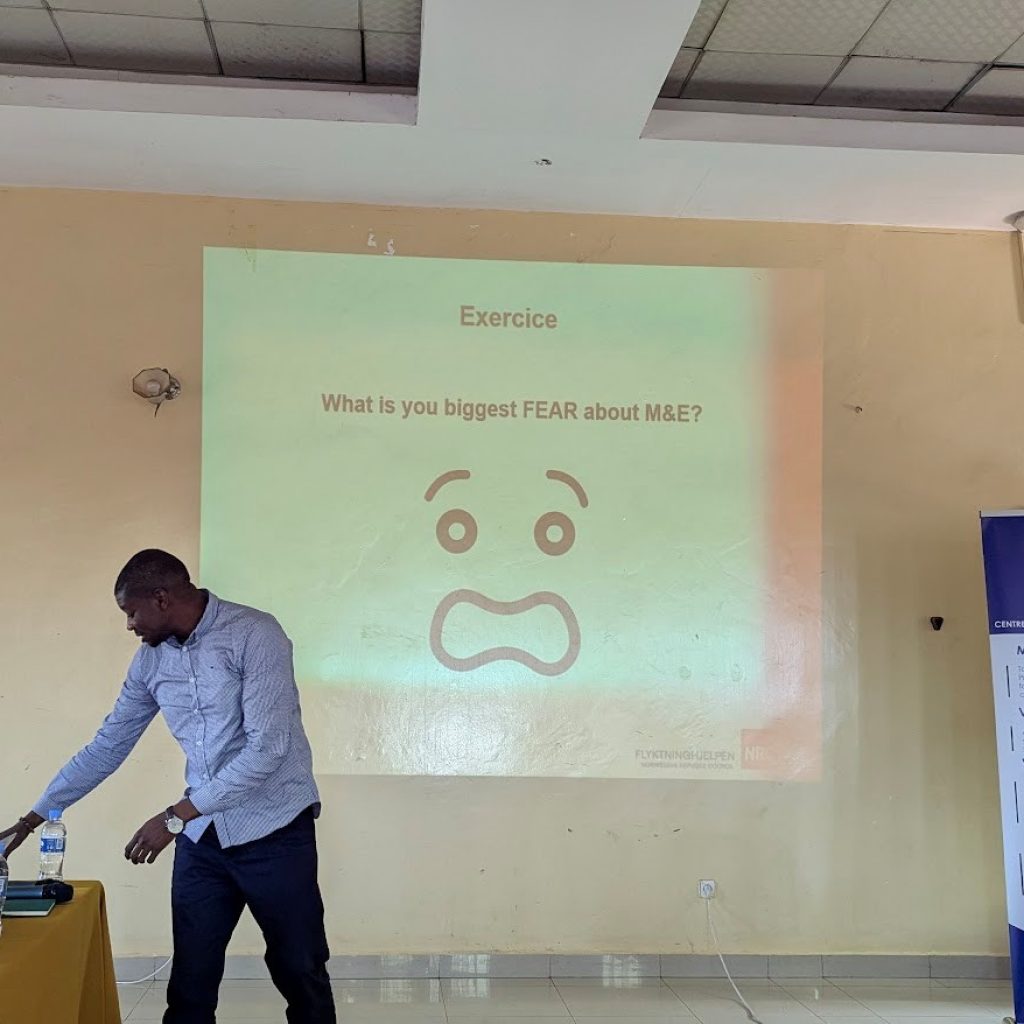
Strategic Communication
The communication component focused on how RCCDN can effectively communicate its climate leadership, project results, and community impact. Participants explored storytelling approaches, ethical communication principles, and practical tools for strengthening organizational messaging.
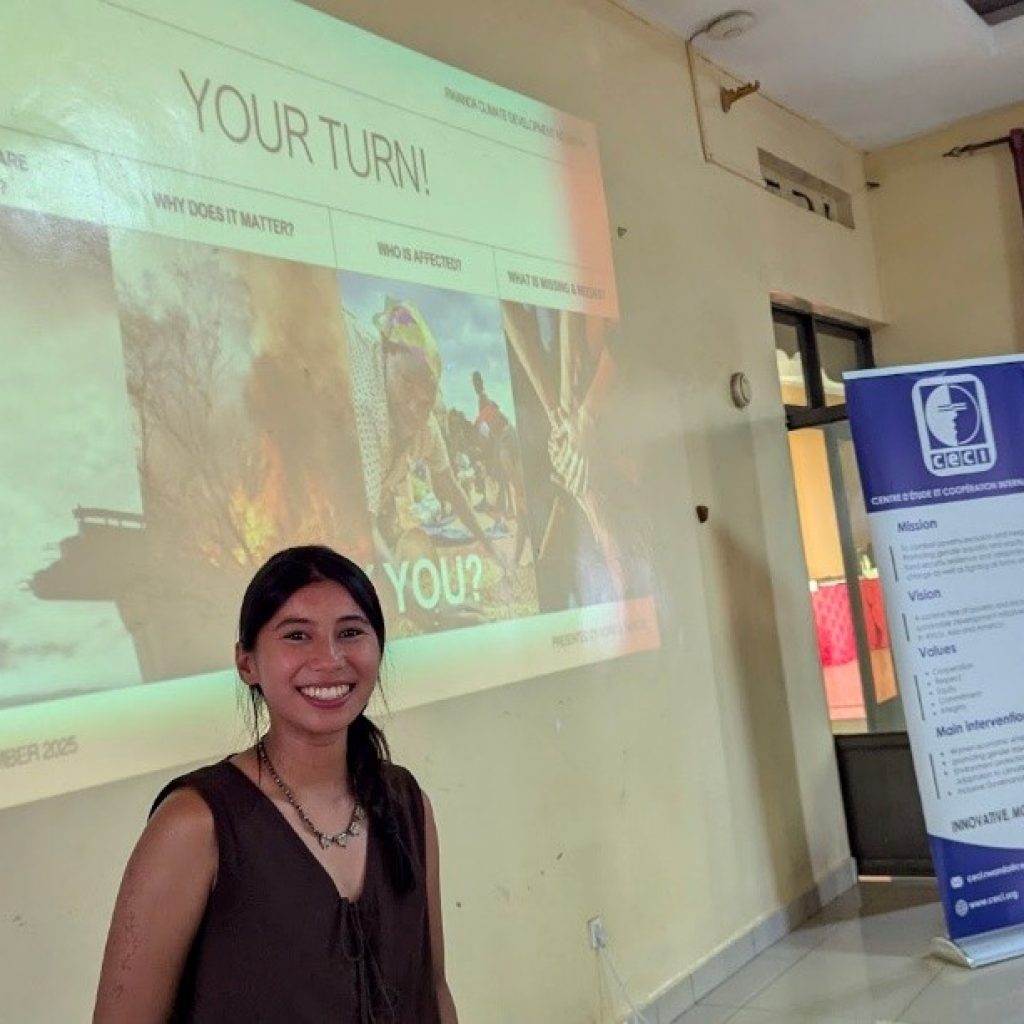
The session also examined ways to enhance RCCDN’s digital presence, including social media and website communications.
Key Recommendations for Strengthening RCCDN Systems
The training generated several important recommendations to further strengthen RCCDN’s institutional capacity.
Participants highlighted the need to establish stronger internal coordination mechanisms, ensure that staff remain informed about organizational procedures, and create regular opportunities for knowledge exchange among team members. Strengthening proposal development capacity and ensuring effective use of office resources were also emphasized.
In the area of Monitoring and Evaluation, participants recommended mobilizing dedicated M&E resources, developing a comprehensive RCCDN M&E plan and tools, and improving data quality management systems to support evidence-based reporting and decision-making.
For Strategic Communication, the training emphasized finalizing RCCDN’s communication strategy, strengthening staff skills in communication and storytelling, improving website updates, and using digital platforms to showcase project achievements and climate action results.
Regarding Program Coordination and Management, participants recommended organizing more in-depth training on program management, conducting joint planning sessions across projects, and strengthening information sharing on both ongoing and pipeline initiatives.
Strengthening Partnerships for Greater Climate Impact
RCCDN expresses its sincere appreciation to its partner CECI for supporting this important capacity strengthening initiative and for providing experienced facilitators who shared practical expertise with the Secretariat team. Such collaborations contribute significantly to building stronger institutions capable of delivering impactful climate and development programs.
By strengthening program management systems, improving monitoring and evaluation practices, and enhancing strategic communication, RCCDN is better positioned to coordinate climate action, support its network members, and amplify the impact of climate resilience initiatives across Rwanda.
Written and Prepared By Charles Rutagyengwa
Edited and Published by Jeannette Kawera